
Team Spotlight Review

Overwatch 2

A world worth fighting for - a hero shooter where clutch plays and teamwork still steal the show.

Positive Review

Bright, snappy, and easy to love

Overwatch 2 is a game I originally fell in love with back in 2016, when Overwatch first launched. It was the first hero shooter I ever played, and I was immediately drawn in by its colourful maps and diverse cast of heroes. At the time, it felt genuinely impressive that the game shipped with 21 heroes at launch, each playing very differently and clearly defined by strengths and weaknesses across the Damage, Tank, and Support roles. Combined with 12 maps at release, there was plenty of variety to keep matches feeling fresh.

Matches were played in a 6v6 format and were relatively short, usually lasting around 20 minutes, making it easy to jump in for just one or two games in an evening. Fast forward to 2022 and the launch of Overwatch 2, and the transition was anything but smooth — a rocky start that’s hard to forget. However, over time, the development team has clearly put in the work, and by 2026 the game feels far more refined and enjoyable.

One of the biggest changes with Overwatch 2 was the shift from 6v6 to 5v5. Initially, I wasn’t sure how I felt about the removal of a second tank, but I’ll admit I ended up really liking the change. Dropping one tank significantly improved matchmaking times, and with ongoing balance updates that have made the Support role more survivable, the overall pace of matches feels faster and more dynamic.

The standout update for me has been the introduction of Stadium Mode — easily one of the best additions to the game in years. This mode allows you to select a hero and radically change how they play using a card-based system, introducing new abilities and absurdly fun combinations. It’s chaotic, experimental, and genuinely entertaining, letting players create some truly wild builds.

Visually, the game continues to shine. Its stylised, cartoon-like art direction has aged exceptionally well, and consistent updates have kept it looking fresh rather than dated. The sound design is equally strong, from clearly directional footsteps — always a huge plus in a competitive shooter — to the overall flow and clarity of combat audio. Together, these elements make Overwatch 2 feel responsive, readable, and satisfying to play.

My Highlights (TL:DR)

Overwatch 2 builds on the foundations of the original with faster matches, refined roles, and bold new modes. Despite a rocky launch, the game has grown into a fun, polished hero shooter that continues to evolve.

  • Distinct Heroes & Roles
  • 5v5 Match Format
  • Stadium Mode Innovation
  • Stylised Visuals & Strong Audio
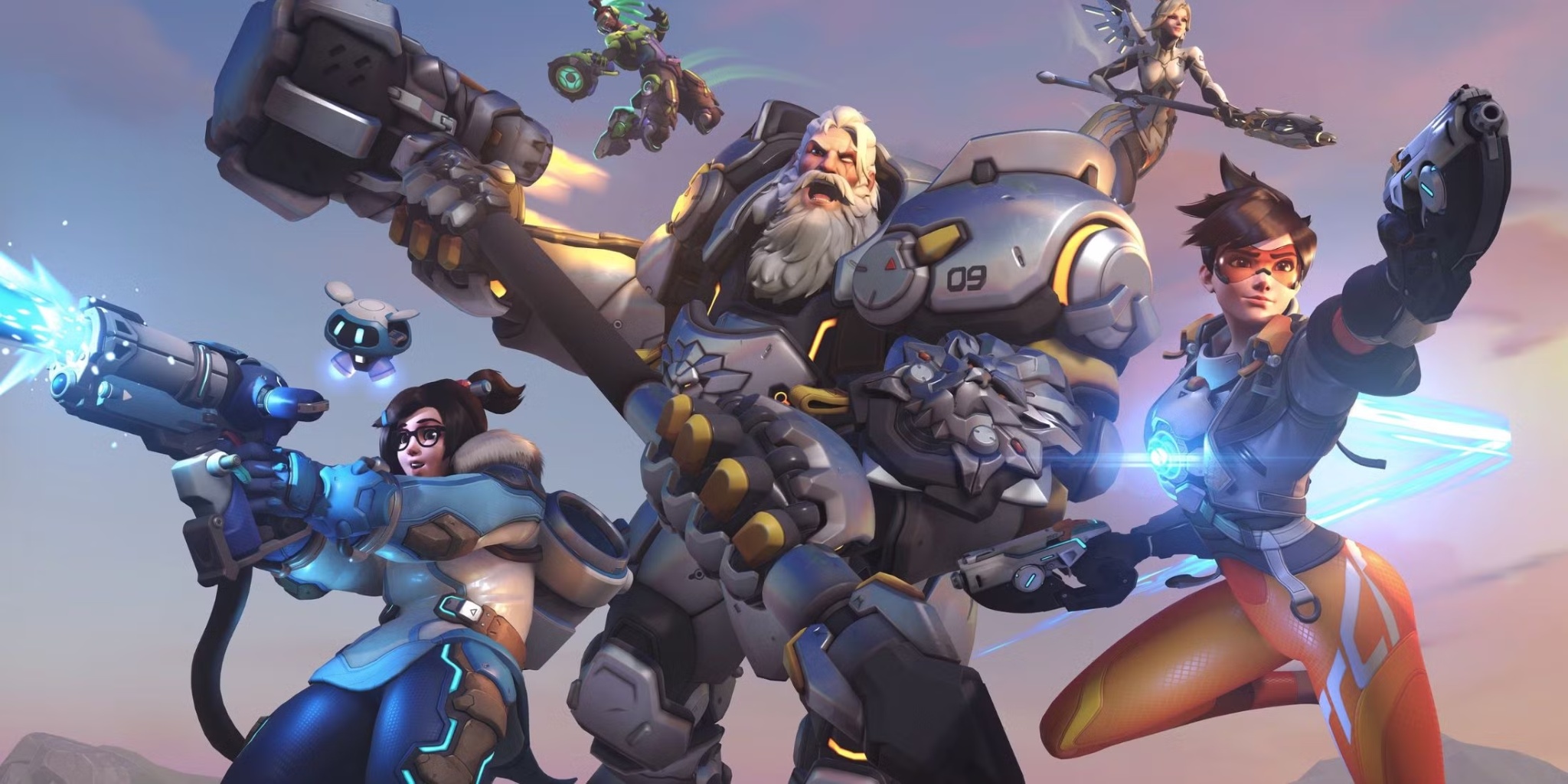
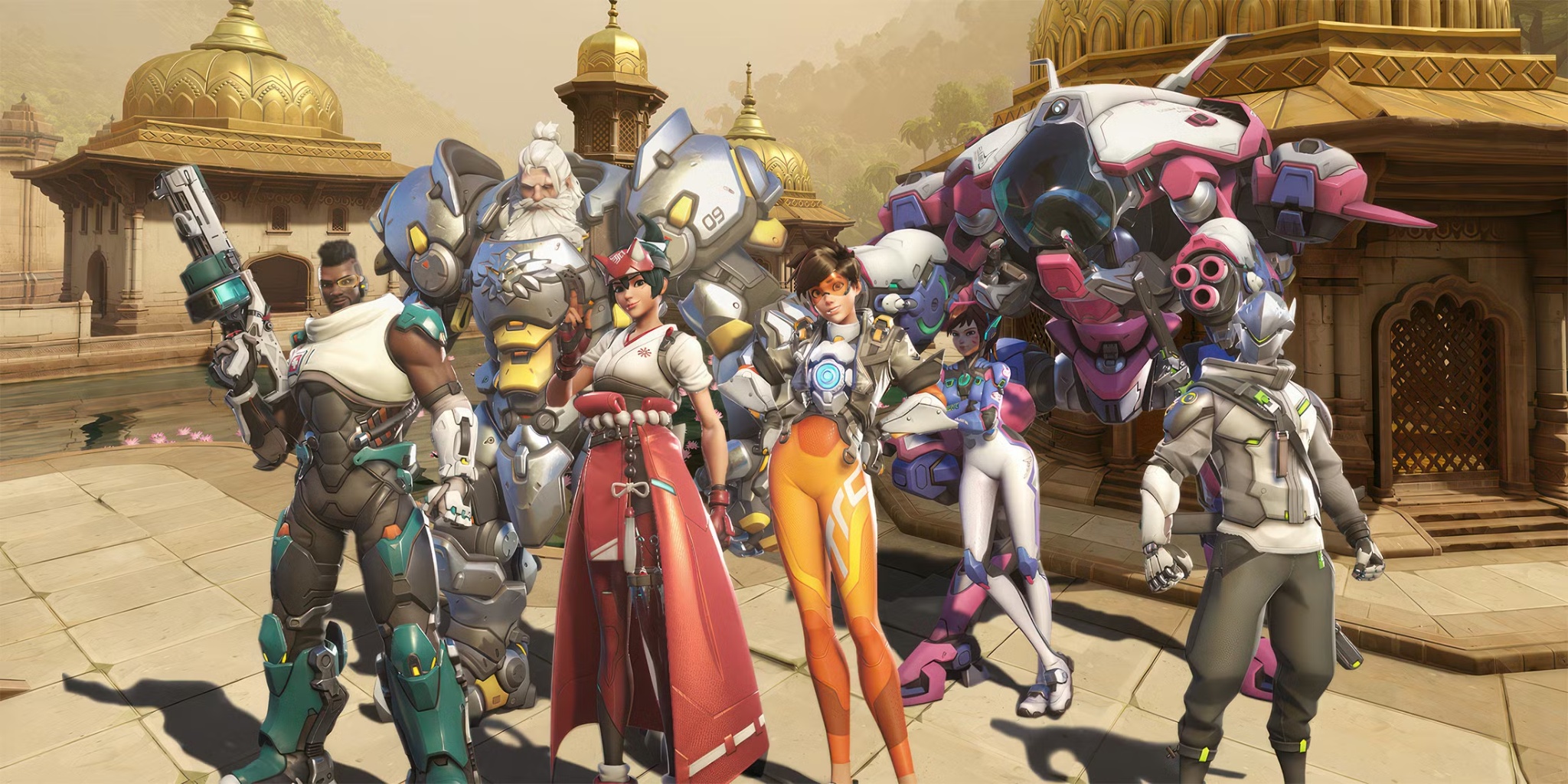
Overwatch heroes in formation
Squad Up Team Fights

World & Characters

A hopeful future worth saving

Overwatch 2 presents a world caught between collapse and renewal. In the aftermath of the Omnic Crisis, humanity stands fractured — nations divided, trust eroded, and old heroes scattered to the wind. Yet even in this uncertainty, hope persists. Former agents answer the call once more, new heroes rise from every corner of the globe, and the ideals that once defined Overwatch — cooperation, protection, and unity — begin to resurface.

This is a future shaped not by a single saviour, but by collective action. Each hero represents a different culture, belief, and reason for fighting, yet all are bound by a shared desire to protect what remains and rebuild what was lost. Overwatch’s world is colourful, optimistic, and resilient — a reminder that even after conflict and failure, the future is still worth fighting for, one team, one battle, and one hopeful stand at a time.

Locations Across the World

From bustling megacities to quiet mountain sanctuaries, Overwatch’s battles span a future shaped by culture, conflict, and resilience. Each location reflects a world rebuilding itself after crisis — vibrant, diverse, and always on the brink of change. These maps are more than arenas; they are windows into the future Overwatch is fighting to protect.

  • King's Row: A rain-soaked London battleground where humans and omnics clash amid civil unrest and rebellion.
  • Hanamura: A traditional Japanese city blending ancient architecture with cutting-edge technology, steeped in the Shimada clan’s legacy.
  • Dorado: A vibrant Mexican town celebrating Dia de los Muertos while hiding secrets tied to omnic power infrastructure.
  • Route 66: A desert highway skirmish through scrapyards and diners, echoing the chaos of the Omnic Crisis.
  • Ilios: A sunlit Greek island where ruins, coastal villages, and sheer cliffs create constant danger.
  • Lijiang Tower: A futuristic megacity centre showcasing harmony between advanced tech and urban life.
  • Nepal: A peaceful mountain monastery turned battlefield, symbolising balance amid conflict.
  • Havana: A moonlit escort through old-world streets and fortresses tied to Talon operations.
  • Circuit Royal: A high-speed push map racing through Monaco’s luxury streets during an omnic-led gala.
  • Busan: A neon-lit coastal city blending nightlife, industry, and esports culture.

Any many more...

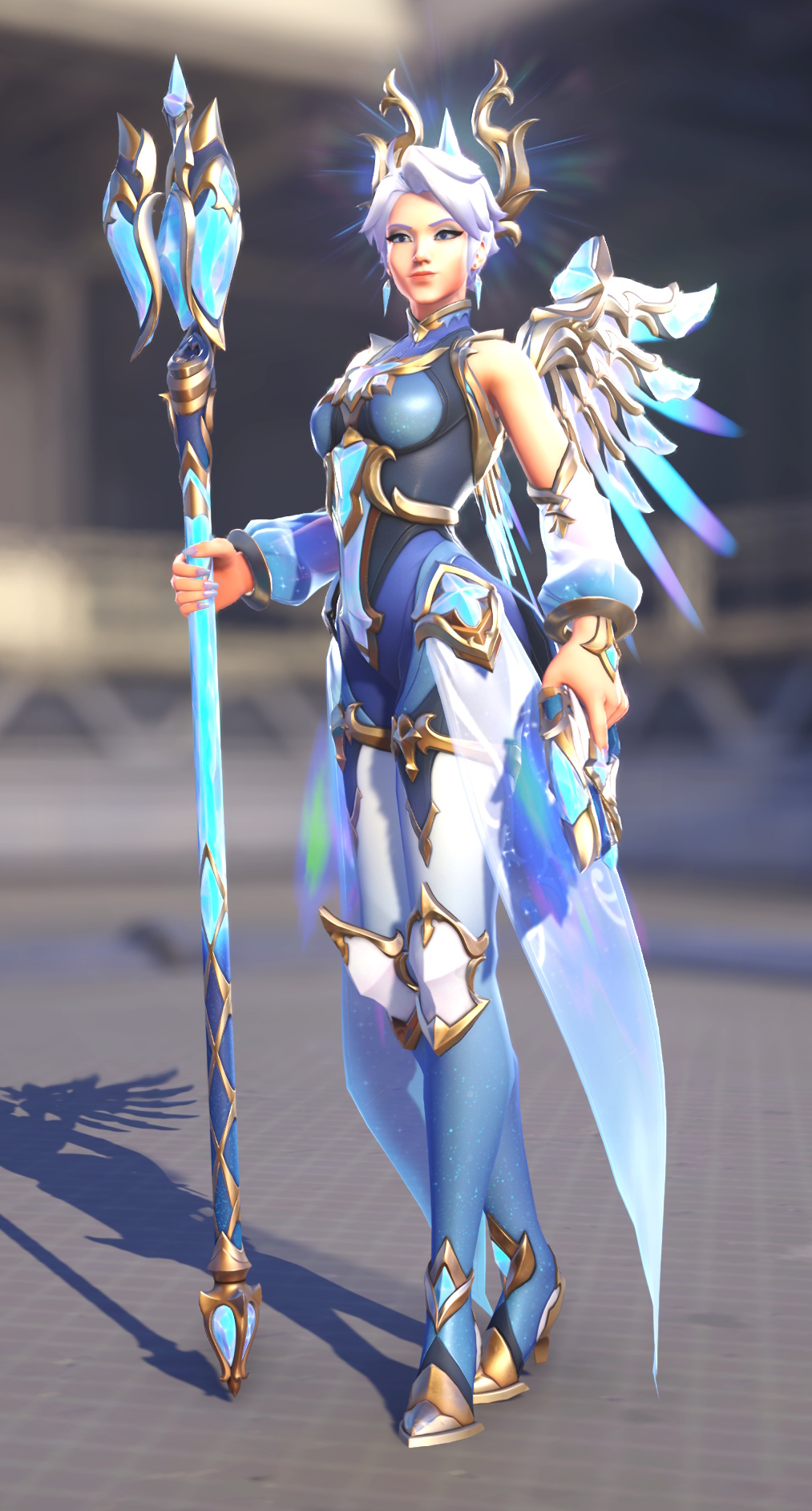
Mercy Skin
Guardian Angel Mercy
Sombra icon
Hacks Away Sombra
Carolina Ravassa portrait
Carolina Ravassa Voice Actor

Hero Design Notes

Sombra is one of my favourite heroes in Overwatch 2, largely because her design perfectly blends gameplay mechanics with character identity. As a hacker, her kit is built around disruption and control rather than raw damage. Armed with an SMG pistol, she excels at pressuring vulnerable targets, while her hacking abilities shut down enemy skills and turn momentum in her team’s favour. Her Translocator defines her movement and survivability, allowing her to engage on her own terms, escape danger instantly, and constantly reposition to harass the backline. She rewards planning, awareness, and timing more than mechanical aim alone, making her incredibly satisfying to play well.

What truly elevates Sombra, however, is her personality and voice work. Carolina Ravassa delivers an outstanding performance, fully committing to the character’s confidence, sarcasm, and playful menace. Every voice line feels intentional — from mocking hacked enemies to casually taunting opponents mid-fight — reinforcing the sense that Sombra is always in control. Her delivery adds enormous charm and identity to the hero, making Sombra feel alive, expressive, and unmistakably herself rather than just another entry on the roster.

It’s also worth saying that focusing on Sombra alone feels almost unfair, given how consistently strong the hero design is across the entire roster. Each hero in Overwatch 2 is built around a clear identity, with abilities, visuals, animations, and voice work all reinforcing who they are and how they play. Whether it’s a frontline tank, a precision damage dealer, or a high-impact support, every character feels intentional and distinct. Sombra may be a personal favourite, but she’s just one example in a cast where the care, creativity, and polish are evident across the board — a big part of why the game’s heroes remain so memorable years on.

Favorite Heroes

Champions of Choice

As a support main, these are the heroes I’ve spent the most time with and continue to return to.

Mercy

Play time: 326 Hours

Mercy is my first and foremost favourite, largely because of her movement. Her Guardian Angel ability turns positioning into a skill all its own, letting you take to the skies in fast, fluid arcs that feel incredibly satisfying to master. Being able to weave through fights, reposition instantly, and support teammates from unexpected angles makes her gameplay feel dynamic and expressive rather than static.

That freedom of movement pairs perfectly with her core support role. Switching seamlessly between healing and damage boost keeps you constantly engaged, always making small but meaningful decisions that can swing a fight. And, of course, pulling off a perfectly timed Resurrect — especially on a fallen tank deep in the backline — never gets old. It’s one of those moments that reminds you exactly why playing support can be so rewarding.

  • Exceptional Mobility
  • Impactful Support Decisions
  • Clutch Resurrect Plays

Kiriko

Play time: 98 Hours

Kiriko has quickly become one of my favourite heroes since her introduction with Overwatch 2. A huge part of that comes down to just how powerful and satisfying her kit is to use. Protection Suzu is one of the strongest abilities in the game, allowing her to cleanse allies of all negative status effects while also granting brief invulnerability. Landing a perfectly timed Suzu to completely shut down a Reinhardt Earthshatter, or hitting it at the exact moment a Sigma Gravitic Flux connects, is incredibly satisfying — and usually rage-inducing for the enemy you just denied.

Offensively, Kiriko is just as engaging. Her Kunai reward precision, with devastating headshot damage that lets her meaningfully threaten enemies rather than just react to them. This gives her a unique hybrid feel, blending high-impact support utility with genuine offensive pressure. Combined with Swift Step, which allows her to instantly teleport to teammates even through walls, Kiriko feels fast, flexible, and always involved in the fight. That mix of clutch defensive plays, burst damage potential, and unmatched mobility makes her an absolute joy to play in my opinion.

  • Game-Changing Utility
  • High Skill Damage Potential
  • Exceptional Mobility & Safety

Brigitte

Play time: 141 Hours

Brigitte is a hero I love playing because she feels genuinely unique among the support roster. No other support — or hero, for that matter — blends close-range combat and team protection quite like she does. Smashing enemies with her Rocket Flail is immensely satisfying, and when combined with Shield Bash and Whip Shot, she can quickly punish overconfident DPS players. That said, Brigitte demands discipline. Good positioning is absolutely critical, and overextending will get you killed quickly. She is a support first and foremost, and playing her well means knowing when to apply pressure and when to hold back.

Much of Brigitte’s strength comes from smart, controlled play. Standing safely behind cover, throwing out Repair Packs to teammates, then briefly stepping forward to land a Whip Shot and trigger Inspire is where she truly shines. Inspire provides the bulk of her healing — an area-of-effect heal that lasts four seconds and affects allies within 20 metres — and keeping it active as often as possible is key to her effectiveness. Whip Shot itself is a fantastic utility tool, capable of disrupting enemies, knocking an ulting Pharah out of position, stopping a charging Reinhardt, or simply booping opponents off the map. When I’m in the mood for close-range combat paired with meaningful support impact, Brigitte is an absolute joy to play.

  • Unique Brawler-Style Support
  • Positioning & Game Sense Matter Most
  • Inspire & Whip Shot Utility

Negatives

What Holds It Back - TL:DR

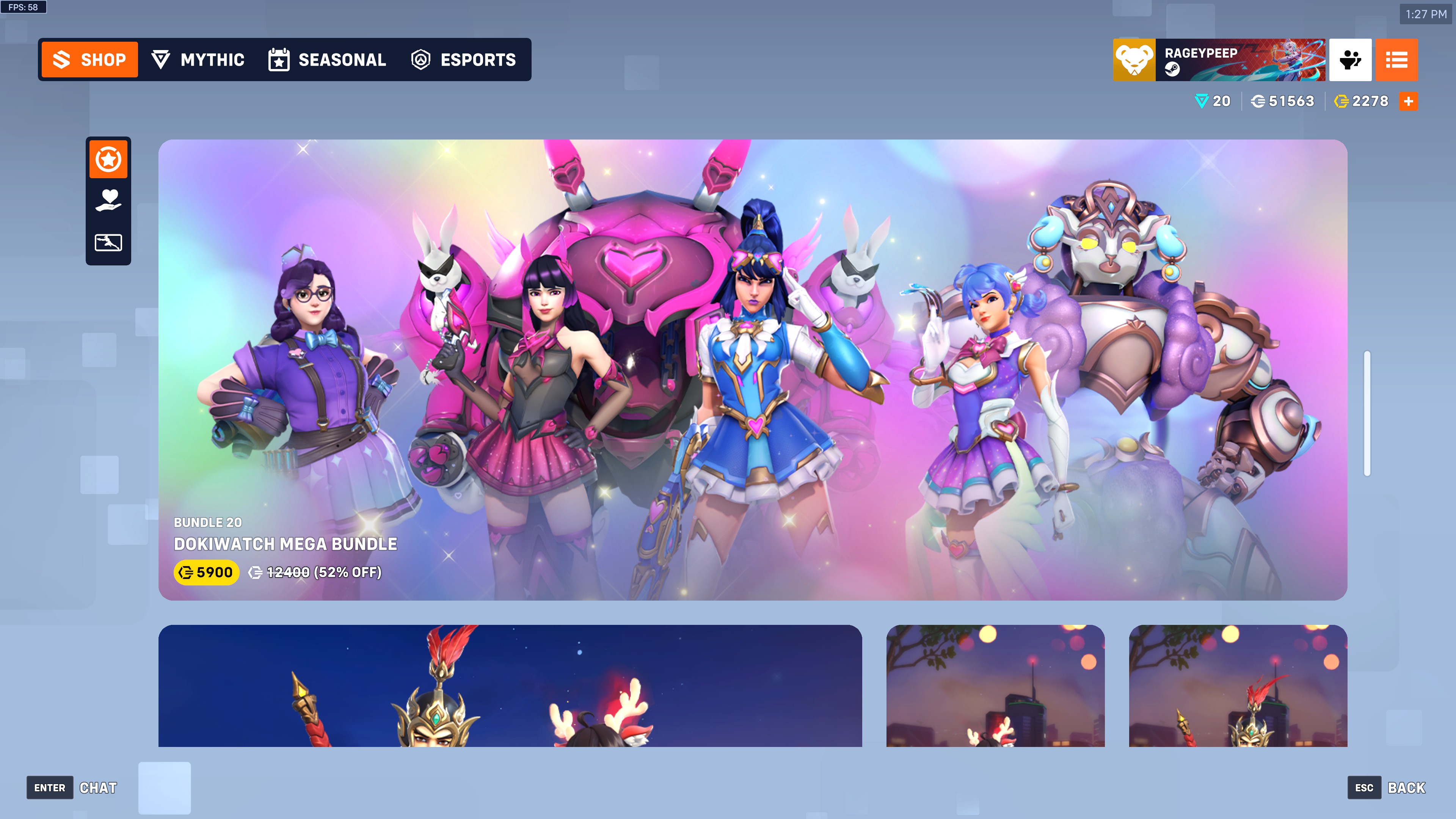
Monetisation in a free-to-play game is always a tricky subject, and while Overwatch 2 doesn’t require players to spend money to enjoy the core experience, the shift in how cosmetic content is handled is hard to ignore. The original Overwatch regularly offered limited-time events where standout skins could be earned simply by playing, something that largely feels absent now. In their place is a premium shop selling individual skins at high prices, often bundled with low-impact items like sprays or name cards to inflate value, with even recolours of existing skins sold at similar costs. While seasonal events still exist, rewards are often repetitive and lack the excitement they once had. That said, the game remains fully playable without spending a penny, and this monetisation model is clearly how a free-to-play title sustains itself — but it does mark a noticeable shift away from the more player-friendly approach of the past.

  • High Cosmetic Prices
  • Loss of unique Earnable Event Skins
  • Recycled Content & Recolours
  • Low-Value Bundle Padding
  • Free-to-Play Reality
Overwatch 2 action scene
Momentum Shift High Stakes

Where the Cracks Begin to Show

One of the biggest elephants in the room is the launch of Overwatch 2 itself. After six years of development, the game released with just three new maps and three new heroes — a stark contrast to the original Overwatch, which launched with 12 maps and 21 heroes. While it’s sadly become common in the 2020s for games to ship with less content than their 2010s counterparts, the scale of this drop-off was hard to ignore.

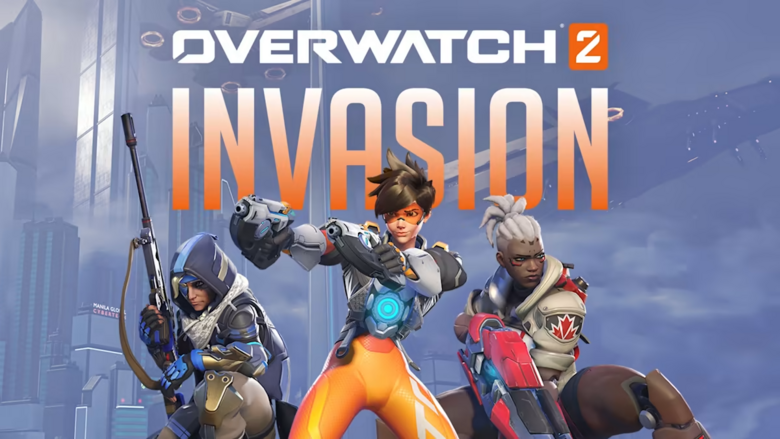
More damaging was the complete disappearance of the promised PvE experience. What was originally marketed as a major pillar of Overwatch 2 was quietly abandoned, leaving players with nothing resembling the original vision. The only PvE content to eventually arrive was Invasion, released in June 2024 following significant backlash. Even then, it felt like a token gesture rather than a meaningful addition. Players were given a lightly modified version of King’s Row — a map already in the game — populated by simplistic AI Omnics that spawned in predictable waves before abruptly ending. All of this came with a £12.99 ($14.99) price tag, which made the offering feel especially difficult to justify.

To call this the bare minimum would be generous. The handling of Overwatch 2’s PvE content felt disorganised and poorly managed, and it stood in stark contrast to the reputation for quality Blizzard once held. It’s frustrating to see such a beloved game and universe undermined by decisions that suggest a lack of clear direction or accountability at a leadership level — a real shame for a title that still has so much potential and an incredibly passionate player base.

Invasion
Invasion Content Drop

Monetisation

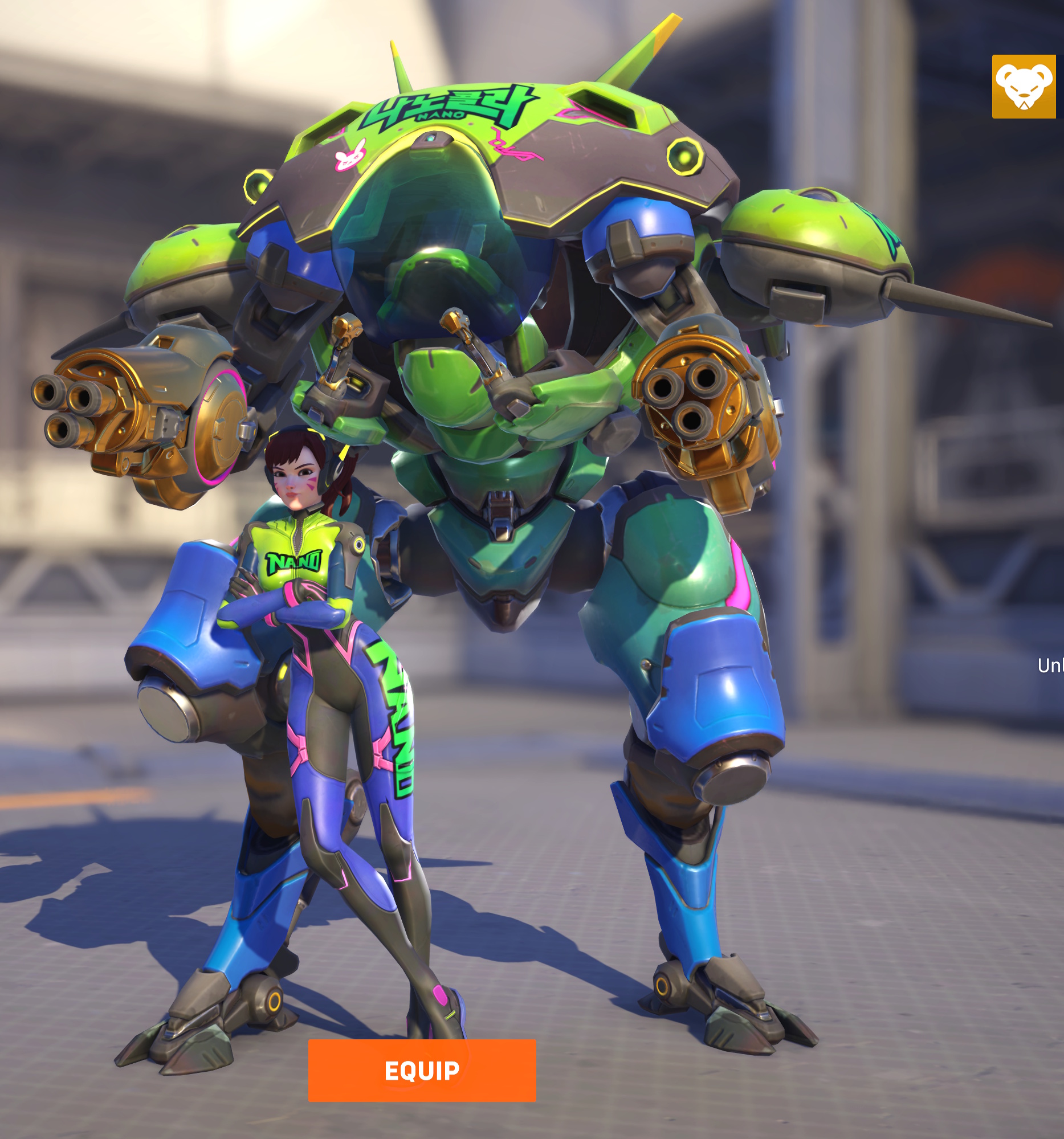
Talking about monetisation in a free-to-play game can feel like a moot point at first. After all, you don’t need to buy skins to enjoy the game — and that is technically true. However, the shift from the original Overwatch to Overwatch 2 has fundamentally changed how cosmetic content is earned, and not for the better. In the original game, limited-time events often rewarded players with genuinely high-quality, one-off skins simply for playing. The Nano Cola D.Va event is a great example — complete challenges during the event window and walk away with a standout cosmetic that felt earned.

In Overwatch 2, those kinds of events are largely gone. Seasonal events still exist, but the rewards are increasingly limited and repetitive. Around Christmas, for example, a small selection of festive skins may be available, but they tend to be the same ones each year, occasionally refreshed with a recolour. The days of earning truly premium-looking skins through gameplay feel firmly behind us. Instead, the game now leans heavily on a full-price cosmetic shop, with individual skins regularly priced around £25 ($30), and themed bundles pushing well beyond £50 ($60+). Even more frustrating is the fact that recolours of existing skins are often sold at the same premium prices, seemingly hoping players won’t notice the lack of originality.

To further pad out these bundles, the shop offers items like weapon charms, sprays, and name cards — cosmetics that, for many players, hold little real appeal. These are often sold individually for £5–£10 or bundled together to justify higher prices, despite offering minimal value. All of this contributes to a monetisation model that feels aggressive and, at times, out of step with the goodwill the series once enjoyed.

That said, it’s important to reiterate that Overwatch 2 is free to play, and ongoing monetisation is clearly how the game sustains itself. But the contrast between earning memorable cosmetics through play and being asked to pay premium prices for increasingly recycled content is hard to ignore — and it’s one of the areas where the game’s modern direction feels most at odds with what long-time players loved about the original.

Skin pack
Premium Skin Pack £39.99/$49.99
Pack junk
D.Va Skin Nano Cola

Conclusion

Final Thoughts

I’m aware that the critique section ended up longer than the list of positives, but that comes from a place of genuine affection for the game rather than dislike. Most of my criticisms are aimed at how Overwatch 2 has been managed and monetised, not at the game itself — because at its core, the gameplay is what carries the experience. When Overwatch works, it really works.

Matches are generally well balanced, and while mismatched teams do happen from time to time, the overall competitive experience feels solid. The game receives regular updates, and modes like Stadium continue to evolve through frequent balance changes and new ability combinations, showing a willingness from the developers to experiment and iterate. Adjustments to hero perks in Quick Play and Competitive also help shake up familiar playstyles, keeping the game from becoming stale and encouraging players to adapt rather than settle into autopilot.

These constant tweaks and additions give Overwatch 2 a sense of momentum — there’s usually something new waiting when you return, even after taking a short break. Because of that, I genuinely believe the future of the game is bright, and I’m interested to see where the developers take it next. Despite its flaws, I do recommend playing Overwatch 2 — especially for anyone who values tight team-based gameplay, strong hero design, and a game that continues to evolve over time.

Back to top